

Natural way on your journey to improve your health.
-
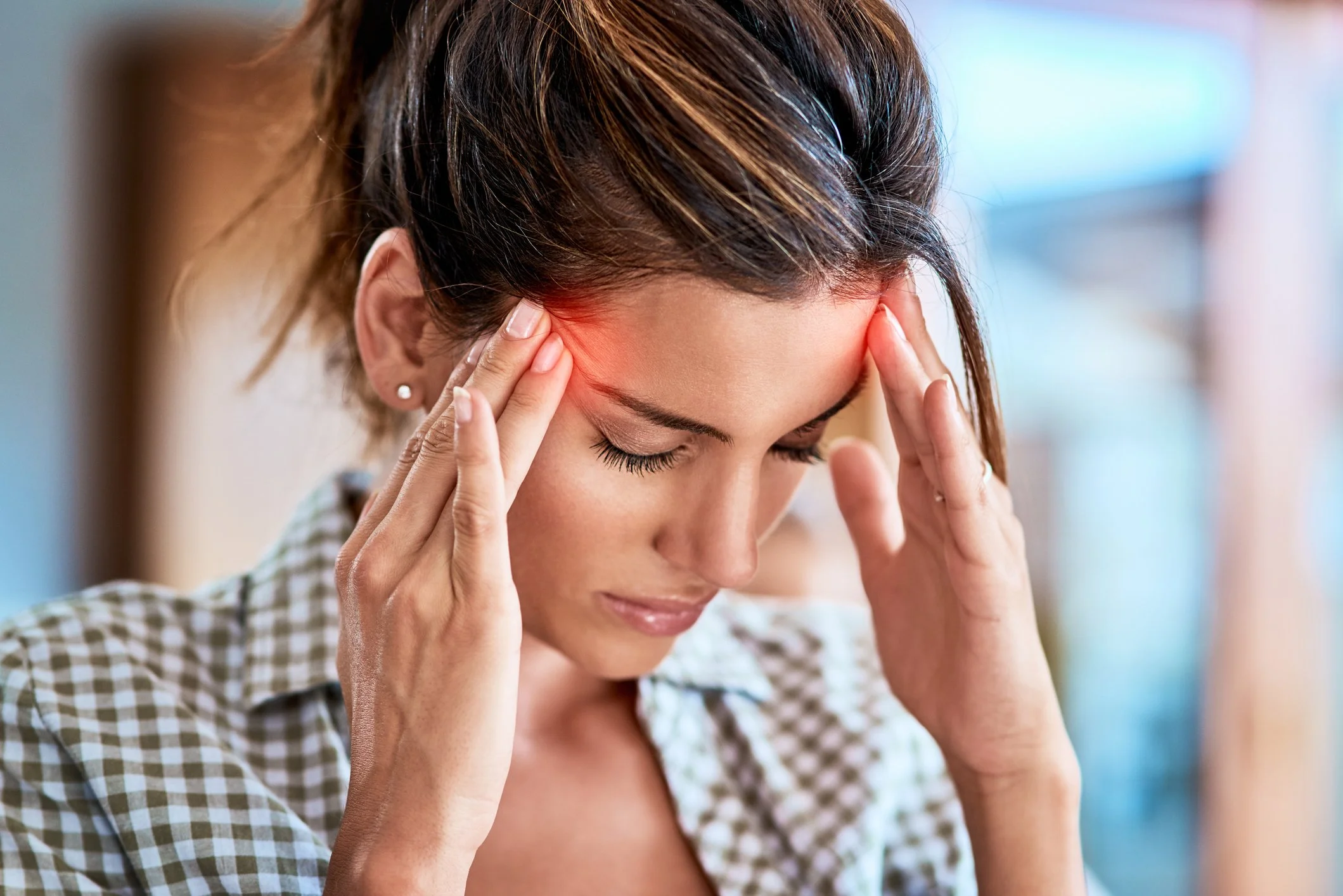
Headache - Dores de Cabeca
Headache is a way for your body to signal that something is not right.
There are several causes for headache, such as lack of rest, excessive stress, food poisoning, fever or even hormonal changes. In rare cases, headache can be attributed to organic conditions, such as brain tumors or diabetes.
Chiropractic Doctor knows how to recognize when the headache is also attributed to biomechanical challenges, the most common cause in the general population.
——-
A dor de cabeça é uma forma do seu corpo sinalizar que algo não está bem.
Existem várias causas para a dor de cabeça, tais como a falta de descanso, o excesso de stress, a intoxicação alimentar, a febre ou mesmo a alteração hormonal. Em casos raros, a dor de cabeça pode ser atribuída a condições orgânicas, tais como os tumores do cérebro ou a diabetes.
O doutor em Quiroprática sabe reconhecer quando a dor de cabeça também é atribuída a desafios biomecânicos, a causa mais comum na população em geral.
-
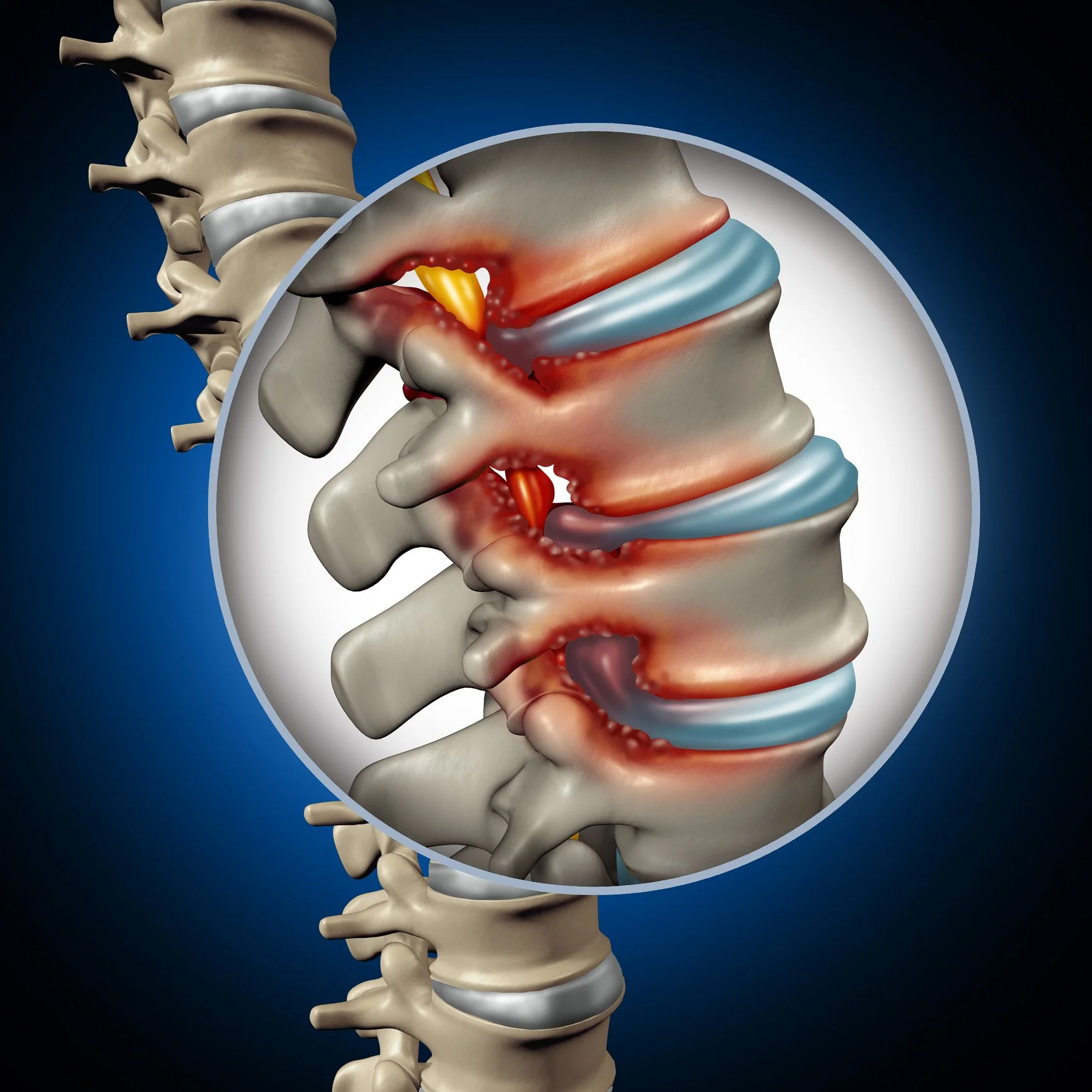
Ciatic - Ciatica
Sciatic pain (sciatalgia) has its name because it originates from the largest nerve that exists in the human body, the sciatic nerve.
There are several possible causes that give rise to inflammation of this nerve, but the most common is the biomechanical cause by joint, muscle or disc compression.
——
A dor ciática (ciatalgia) tem o seu nome por ter origem no maior nervo que existe no corpo humano, o nervo ciático.
Existem várias causas possíveis que dão origem à inflamação deste nervo, mas a mais comum é a causa biomecânica por compressão articular, muscular ou discal.
-
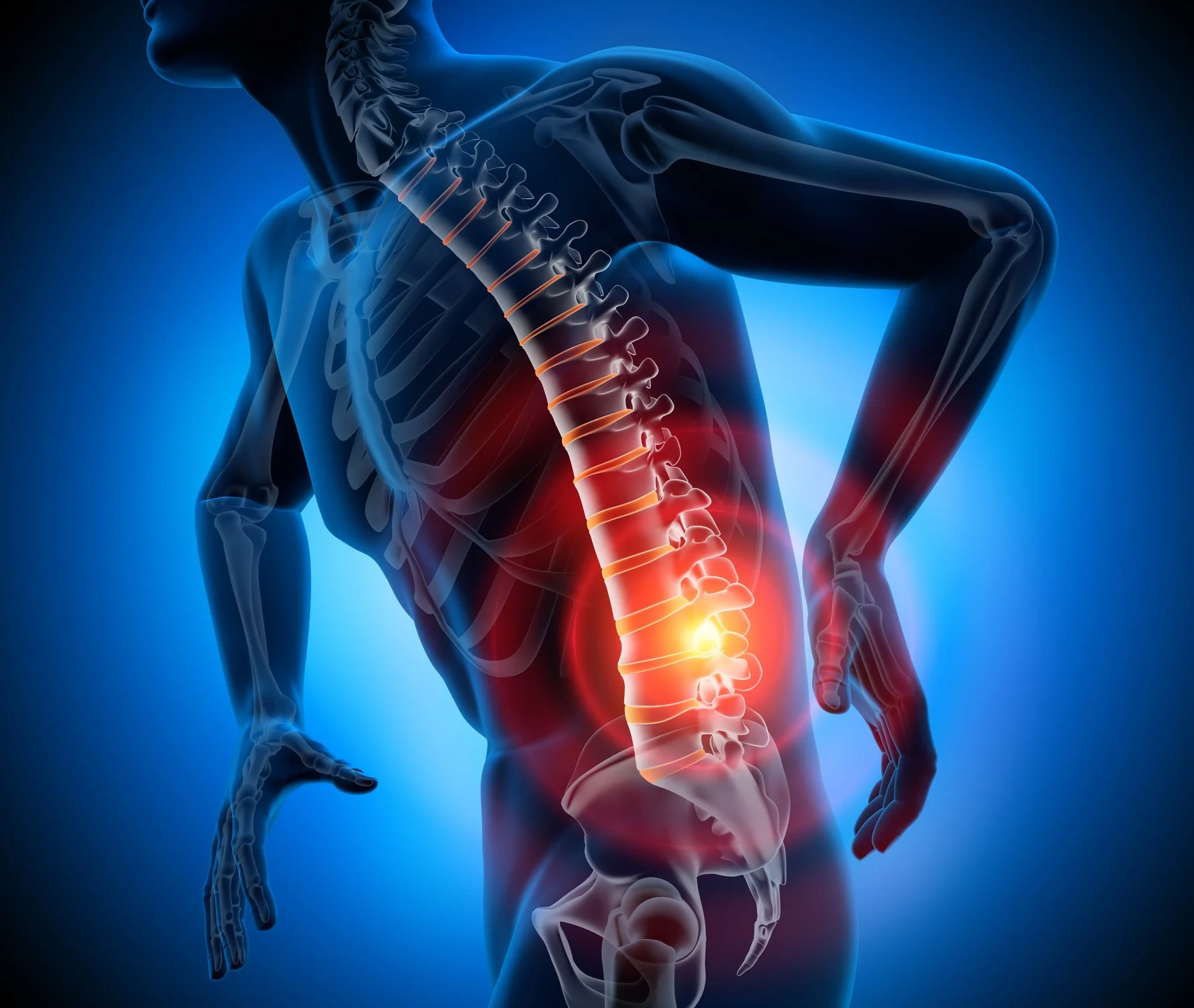
Backpain - Dores de Costas
There are several causes for these pains, some of which may begin by organ stress (e.g. kidney stone or menstrual pain) or psychological stress, but the most frequent are of biomechanical origin, which derive essentially from congenital deformations (e.g. shorter leg), overweight, accumulation of tensions and traumas in the musculoskeletal system, as well as biomechanical misalignments of the joints (subluxations).
——
Existem várias causas para estas dores, podendo algumas iniciar por stresses nos órgãos (ex.: pedra no rim ou uma dor menstrual) ou por stresses psicológicos, mas as mais frequentes são de origem biomecânica, que derivam
essencialmente de deformações congénitas (ex. perna mais curta), excesso de peso, acumulação de tensões e traumas no sistema músculo-esquelético, assim como desalinhamentos biomecânicos das articulações (subluxações).
-
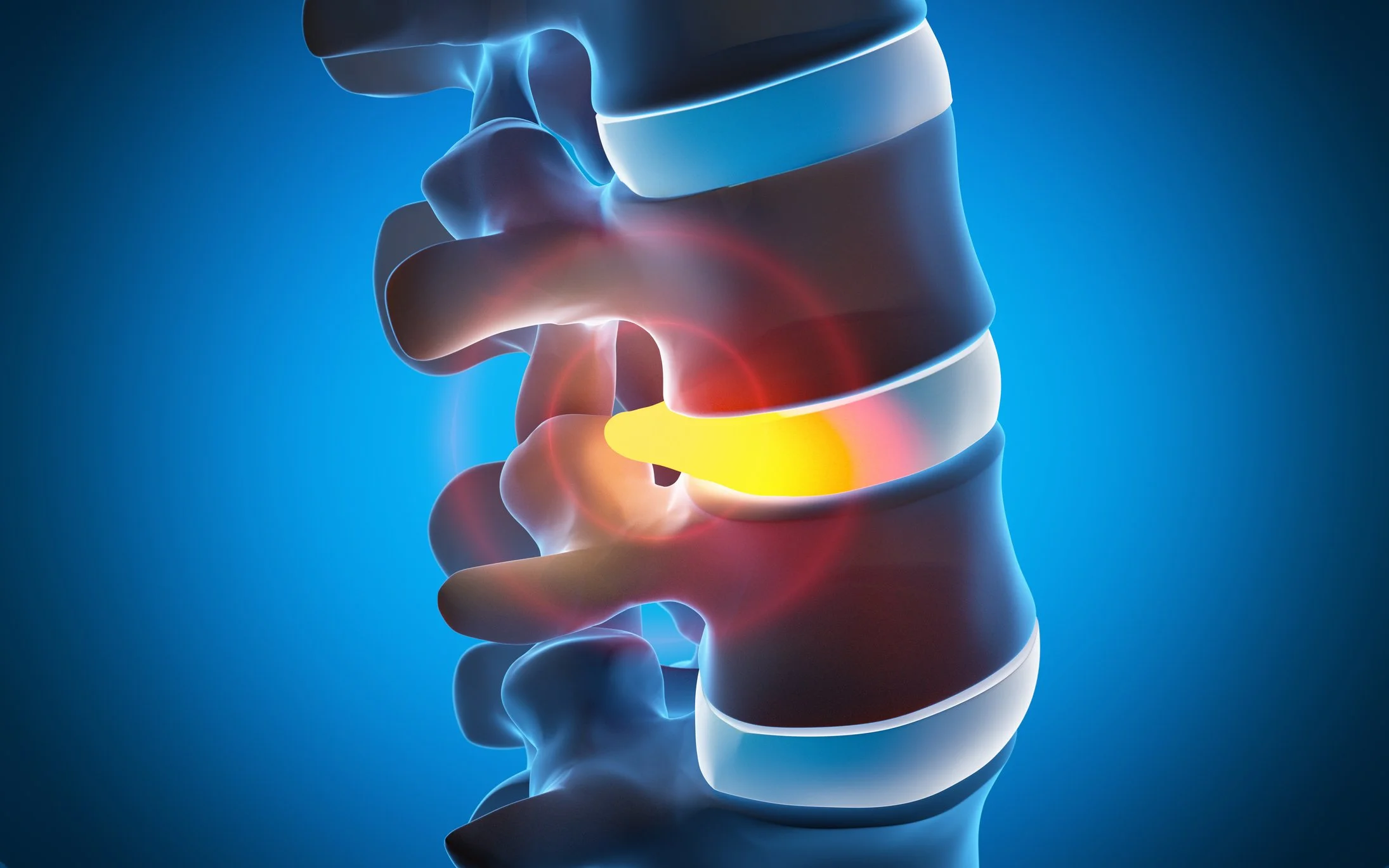
Hernia - Hernia discal
Disc herniation is a pathology of the disc or cartilage located between the vertebrae of the spine. It occurs when the nucleus of the disc comes out towards the outer ring causing, in several cases, pressure on the spinal cord, nerves and bone structures, causing intense and sometimes chronic pain if it is not corrected. Disc herniation can occur anywhere in the spine, but it has more occurrence in the cervical and lumbar areas. The pain caused by this pathology is usually local, but in more intense cases, the pain will tend to radiate to the arms or legs causing brachyalgia, numbness, tingling, lack of strength or even the famous sciatica pain.
——-
A hérnia discal é uma patologia do disco ou cartilagem localizada entre as vértebras da coluna vertebral.
Ocorre quando o núcleo do disco sai em direção ao anel externo provocando, em vários casos, pressão na medula espinal, nos nervos e nas estruturas ósseas, ocasionando se não for corrigida, dores intensas e por vezes crónicas.
A hérnia discal pode ocorrer em qualquer parte da coluna vertebral, mas tem mais ocorrência nas áreas da cervical e da lombar. A dor provocada por esta patologia é normalmente local, mas em casos mais intensos, a dor terá tendência em radiar para os braços ou pernas causando braquialgias, dormências, formigueiros, falta de força ou a até a famosa dor ciática.
-
Stretch - Alongamentos
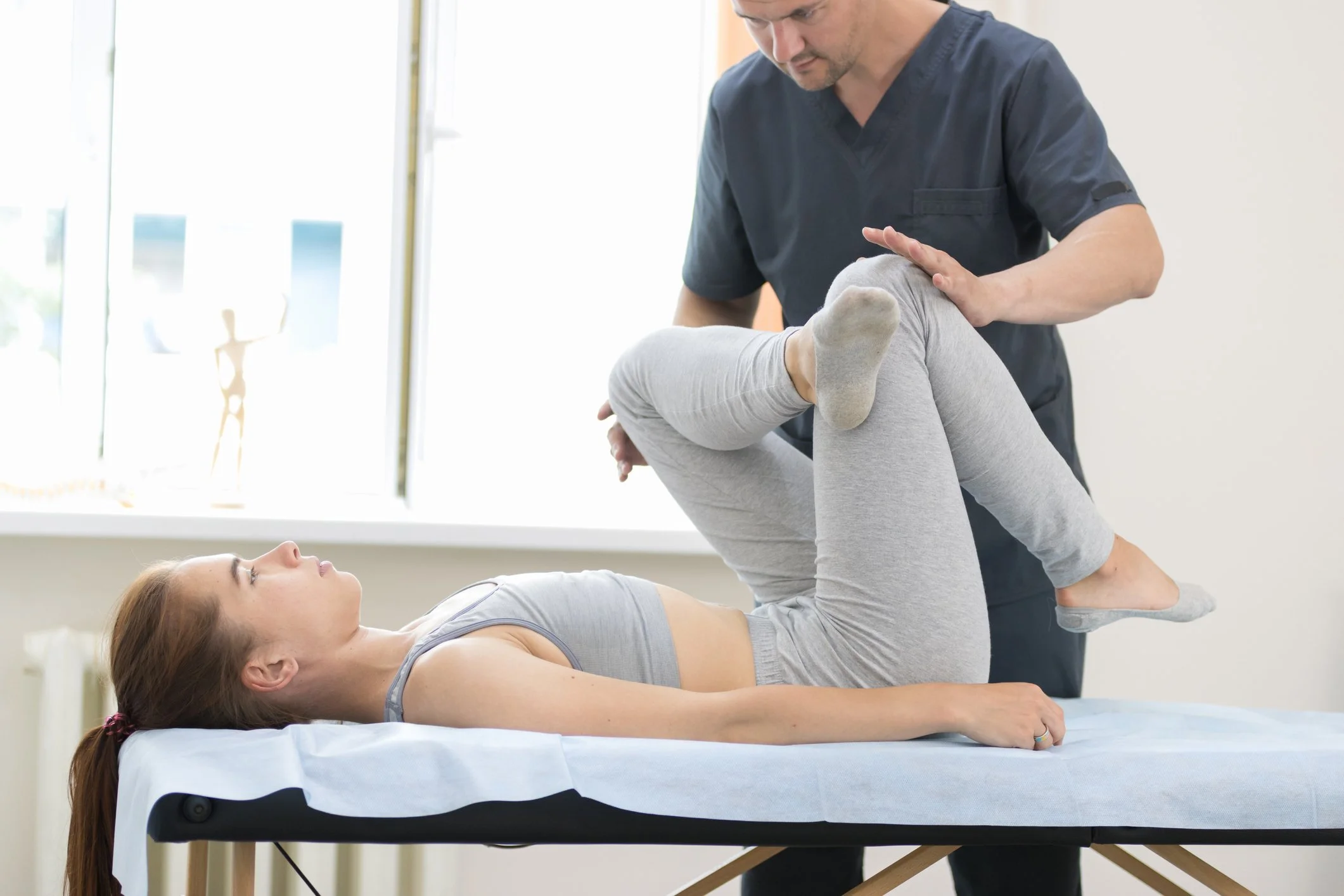
We take weights, practice repetitive movements and get used to bad postures, not to mention the consequences that can bring to our muscles all the accidents, falls and traumas we have experienced.
All these activities cause muscle contractures and sometimes chronic spasms that, untreated, can cause health problems such as tendonitis, bursitis, muscle ruptures, disc herniations, sciatica pain, neuralgia, numbness, circulation problems and joint dysfunctions (subluxations), among many others.
——
Pegamos em pesos, praticamos movimentos repetitivos e habituamo-nos a más posturas, sem mencionarmos as consequências que podem trazer aos nossos músculos todos os acidentes, quedas e traumas que experienciámos
Todas estas atividades provocam contraturas musculares e por vezes espasmos crónicos que, não tratados, poderão provocar problemas de saúde como tendinites, bursites, ruturas musculares, hérnias discais, dor ciática, nevralgias, dormências, problemas de circulação e disfunções articulares (subluxações), entre muitos outros.
-
Sports Injuries -
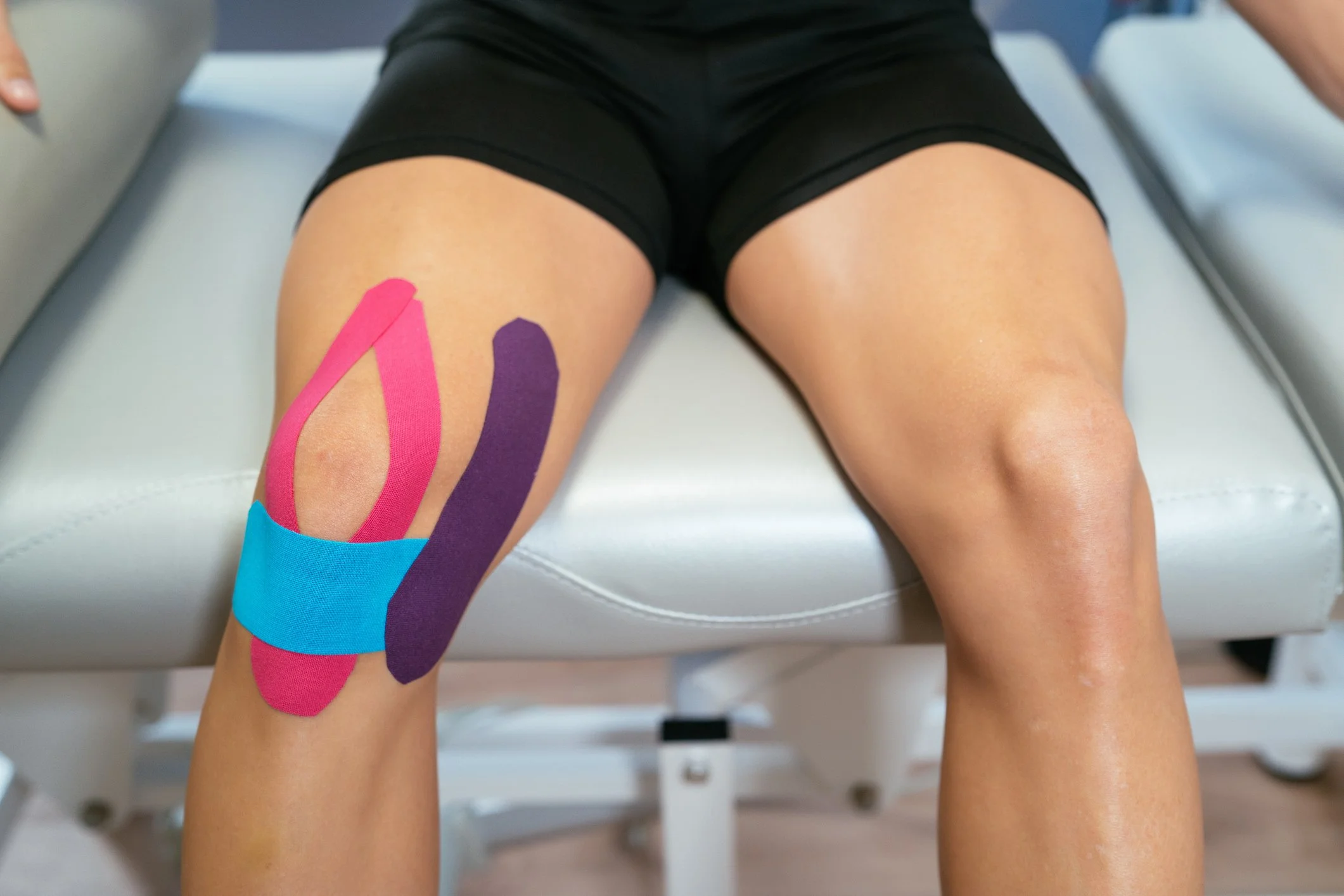
The degeneration of one or more joints begins at the cellular level, 5 to 7 days after the trauma, regardless of age. It was concluded that, if the joint was 2 to 3 weeks without care, it would take 18 months to recover. On the other hand, the joint would not return completely to its original function. This research shows that the sooner a problem is detected after a trauma, the sooner it can be corrected, preventing it from affecting its functioning in adulthood.
——
A degeneração de uma ou mais articulações começa a nível celular, 5 a 7 dias após o trauma, independentemente da idade. Concluiu-se que, se a articulação ficasse 2 a 3 semanas sem cuidados, levaria 18 meses para recuperar.
Por outro lado, a articulação não voltaria completamente à sua função original. Esta pesquisa mostra que quanto mais cedo um problema for detetado após um trauma, mais cedo poderá ser corrigido, impedindo que afete o seu funcionamento na idade adulta.